In Kenya, Most Startups Build Apps. They Build Machines.
Veno Autobotics is making custom hardware payment systems that power milk ATMs, pool tables, and real-world businesses — designing their own motherboards, writing their own firmware, and 3D-printing their own prototypes. This is the hardest kind of startup.
The Road Not Taken
Every year, thousands of Kenyan engineering graduates emerge into a startup ecosystem that funnels them, almost by default, toward software. Mobile apps. SaaS platforms. Fintech products built on top of M-Pesa rails. It is a well-worn path, and it makes sense — software is accessible, scalable, and cheap to start.
The founders of Veno Autobotics looked at that path and decided to take the other one.
What Quepay Is
Quepay is a custom hardware payment system. In plain terms: a physical device — designed, manufactured, and programmed by the Veno team — that can be installed in any physical business to automate payments and dispense goods or services.
The first deployments were in milk ATMs — a surprisingly large market in Kenya, where informal dairy traders use automated dispensing machines to sell fresh milk in low-income neighbourhoods. The problem with existing milk ATM payment systems was the same problem that dogs most imported hardware in Africa: they were not built for this context. They broke down in dusty environments. They couldn't handle the M-Pesa integrations that Kenya's informal economy runs on. The replacement parts were expensive and slow to arrive.
Quepay was built to solve exactly that problem — starting from a blank PCB.
Inside the Workshop
When we visited the Veno Autobotics workspace — a rented unit in an industrial area outside Nairobi — the first thing we saw was a wall of custom-printed circuit boards in various stages of completion. The second was a 3D printer running continuously, producing enclosure prototypes in red and black PLA.
The team is young. The lead engineer is 24. The firmware developer is 26. None of them were more than two years out of university, and all of them had turned down more conventional roles to do this.
"People ask us why we didn't just build an app," the lead engineer told us, holding a freshly soldered board up to the light to inspect the joints. "The honest answer is that apps don't dispense milk. The physical world needs physical solutions. That's what we build."
The Technical Stack
The Quepay hardware stack is, for an early-stage startup, remarkably deep. The team designs their own custom motherboards using KiCad, manufacturers prototype runs locally using a PCB fab in Nairobi, writes their own bare-metal firmware in C, and builds the cloud management layer in-house.
The payment integration layer — connecting Quepay devices to M-Pesa, bank transfers, and card payments — required the team to build an abstraction layer that can talk to multiple payment processors through a single API. This, more than the hardware itself, is where the team believes their durable competitive advantage lies.
"Anyone can build a box," one founder said. "The hard part is making the box talk to every payment system in the market, reliably, at 3am, when the machine is sitting in a milk shop in Eldoret with a patchy internet connection."
Beyond Milk ATMs
The milk ATM was the proof of concept. The roadmap is much bigger.
The Veno team has already deployed Quepay devices in pool table payment systems — replacing the traditional coin-operated mechanism with a tap-to-pay system that integrates with M-Pesa and provides the pool table owner with real-time earnings data. They're in early conversations about deployments in laundromats, car washes, and water kiosks.
The common thread is clear: any physical service business where the current payment experience is broken, unreliable, or inaccessible to digital payments is a potential Quepay deployment.
The Hardest Kind of Startup
Hardware startups fail more often than software startups, and for reasons that don't respond to the usual startup medicine. You can't iterate on a PCB at the speed you can iterate on a mobile app. A manufacturing defect affects every unit in the field simultaneously. The capital requirements are higher, the feedback loops are longer, and the margin for error is smaller.
The Veno team knows all of this. They've lived it — a batch of 30 units deployed with a firmware bug that required a field update visit to each machine, a component that went end-of-life mid-production run, a customer dispute over a hardware failure that turned out to be an installation error.
What keeps them going, they said, is simpler than any strategic narrative: they are solving a problem they can touch. When a milk ATM goes live in a neighbourhood that previously had no automated dispensing, and a woman buys half a litre of milk at 6am using her phone, and the transaction clears in three seconds — that feedback is immediate, tangible, and impossible to fake.
Software can automate a lot. It cannot fill a jug with milk.
“Anyone can build a box. The hard part is making the box talk to every payment system in the market, reliably, at 3am, when it's sitting in a milk shop in Eldoret with a patchy internet connection.”
The Quepay prototype enclosure emerging from the 3D printer.
© Hustle Yangu

A freshly assembled Quepay motherboard awaiting firmware flash.
© Hustle Yangu

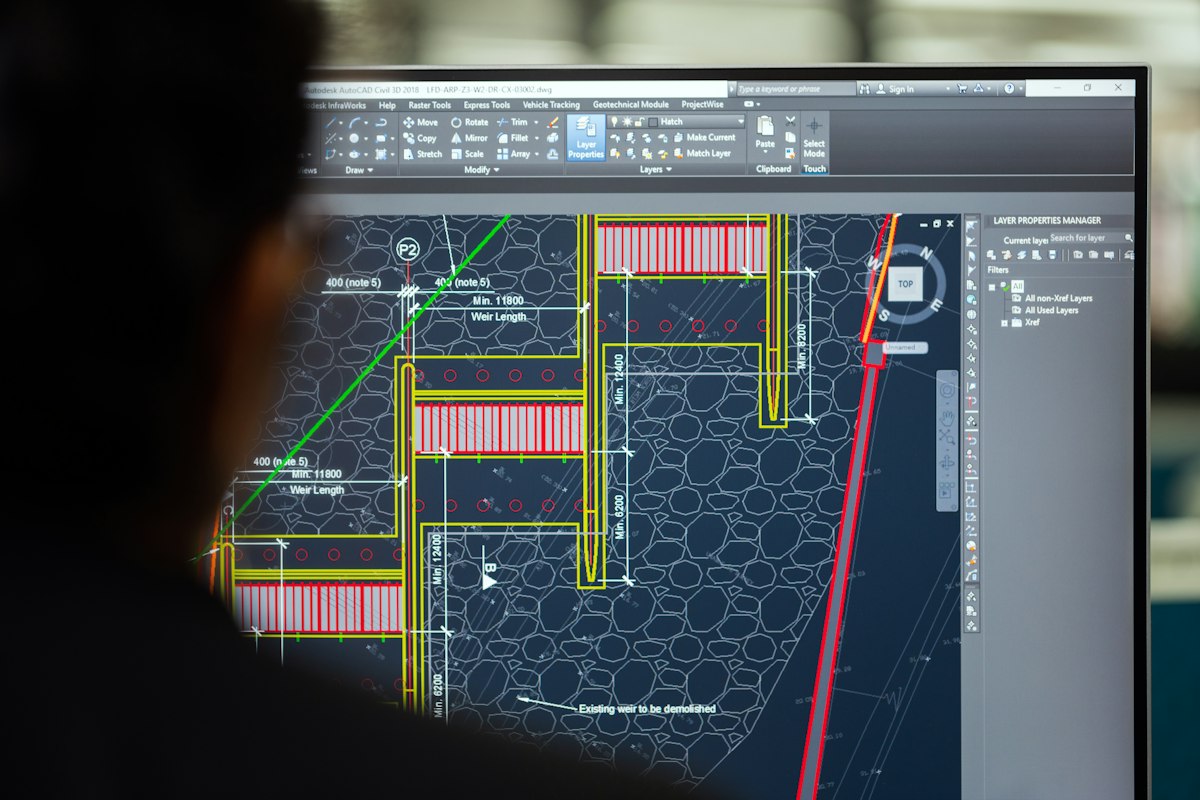
The Veno Autobotics team reviewing the firmware architecture for the next hardware revision.
© Hustle Yangu
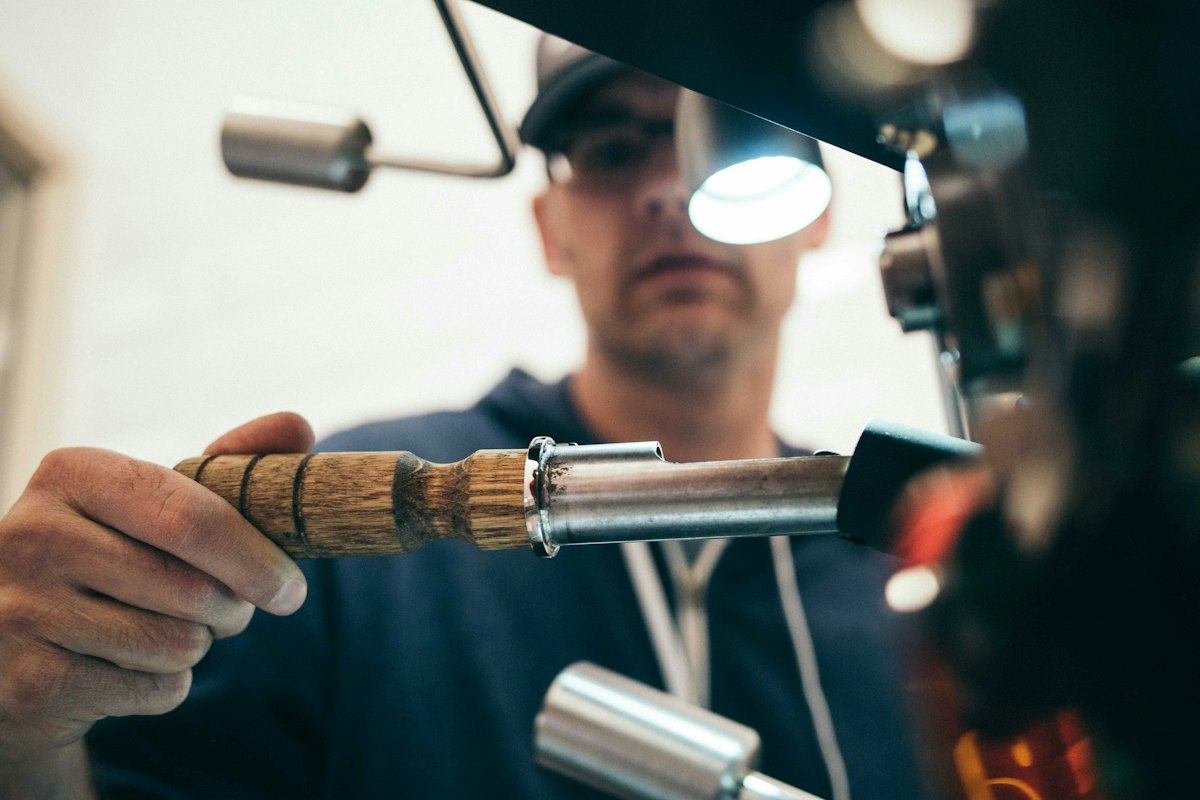
The lead engineer performs a quality check on a production-ready Quepay unit.
© Hustle Yangu
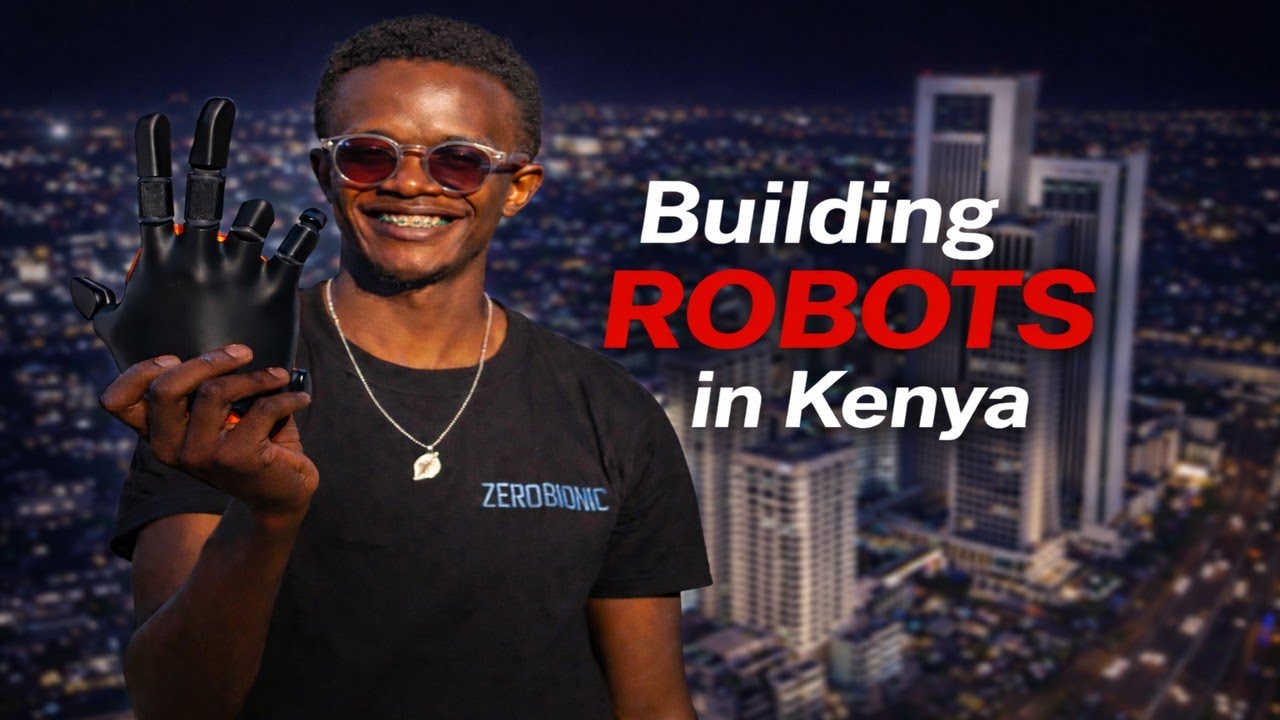 Deep Tech
Zerobionic: Building the Future from Africa
What does it mean to build deep tech from Africa? Zerobionic is answering that question in real time — engineering solutions at the edge of human potential, with the continent's constraints as fuel, not obstacle.
 City Spotlight
Addis Ababa Is Not What You Think
The world has a fixed image of Addis Ababa. We went to find out how far from that image the city has moved — and came back with something far more interesting than we expected.
 Consumer Goods
Brewing Up a Dream: My Journey to Launch Beer in Africa
The African beer market is worth billions and controlled by a handful of multinationals. One founder decided to challenge them anyway — armed with a recipe, a dream, and no manual for what comes next.