Building the Future from Africa.
Zerobionic is reimagining what's possible at the intersection of technology and human potential. From bold ideas to real-world impact, this is the story of a team whose solutions don't just innovate — they matter.
The Problem That Started It All
Most tech companies start with a question. Zerobionic started with a quiet fury.
The founders — a small team of engineers and designers working out of a workshop in Nairobi — had grown frustrated watching African hospitals manage critical equipment with tools designed for entirely different contexts. Supply chains built for Europe. Software calibrated for American infrastructure. Hardware that assumed stable power, reliable internet, and budget lines that simply don't exist here.
They decided to stop waiting for the world to catch up and start building something the continent actually needed.
What Zerobionic Actually Does
At its core, Zerobionic sits at the intersection of bioengineering and product design — creating technology that extends, augments, or supports human physical capability. The team's first product line focuses on low-cost, high-durability assistive devices engineered for East African climates, supply chains, and repair ecosystems.
"We asked ourselves: what would this look like if it was designed here, for here, by people who actually live with these constraints?" one of the co-founders explained during our visit. "Not adapted from somewhere else. Not a cheaper copy. Built from first principles."
The difference is not cosmetic. The devices use locally sourced materials wherever possible, are designed for field repair without specialist tools, and are priced at a fraction of imported alternatives — not because corners were cut, but because every design decision was made with the end user's reality in mind.
The Workshop
Walking into the Zerobionic workshop is like entering a place that exists slightly outside of time. Circuit boards share bench space with CAD drawings. A 3D printer hums in the corner, extruding a prototype component. Post-its cover an entire wall, mapping dependencies in what looks like organised chaos but reveals, on closer inspection, a deeply coherent systems map.
The team is young — most members are under thirty — and they carry that peculiar energy of people who believe, genuinely and without irony, that they are working on something that will outlast them.
The Challenges Nobody Warned Them About
Building hardware anywhere is hard. Building hardware in Nairobi presents a specific set of challenges that are rarely discussed in the startup press.
Component sourcing is chief among them. The global electronics supply chain routes almost exclusively through hubs in China, the US, and Western Europe. Getting specific components — the right microcontroller, a particular sensor, a custom connector — can take weeks and arrive at three times the price.
The team's response was to over-engineer their supply chain independence. They designed modular systems wherever possible, standardised on components available locally, and maintained buffer stock that would make a traditional startup CFO wince.
Power reliability was another non-negotiable constraint. "You cannot build a medical-grade device in Africa and assume stable power," one engineer told us. "Every product has to be designed with load-shedding and generator power in mind. That changes everything from component selection to firmware architecture."
The Vision Ahead
Zerobionic is not trying to be a Kenyan version of an American deep tech company. That framing — which African tech founders hear constantly — is precisely what the team is working against.
"The assumption that we're building towards some external standard misses the point," one founder said, with a patience that suggested he'd answered this question many times. "We're not a proof of concept that Africa can do what Silicon Valley does. We're building something that Silicon Valley couldn't build, because they don't have the context we have."
The pipeline includes several new product lines currently in testing, a partnership with two regional hospital networks, and an ongoing engagement with a European development finance institution — the details of which remain confidential, but which the team described as "validating."
What comes through most clearly, spending time with the Zerobionic team, is not ambition — though there is plenty of that. It is the specific quality of attention they bring to problems. The refusal to treat Africa's constraints as defects to be worked around, and the insistence on treating them, instead, as the design brief itself.
That reframe is, quietly, everything.
“We're not building a proof of concept that Africa can do what Silicon Valley does. We're building something Silicon Valley couldn't build — because they don't have the context we have.”
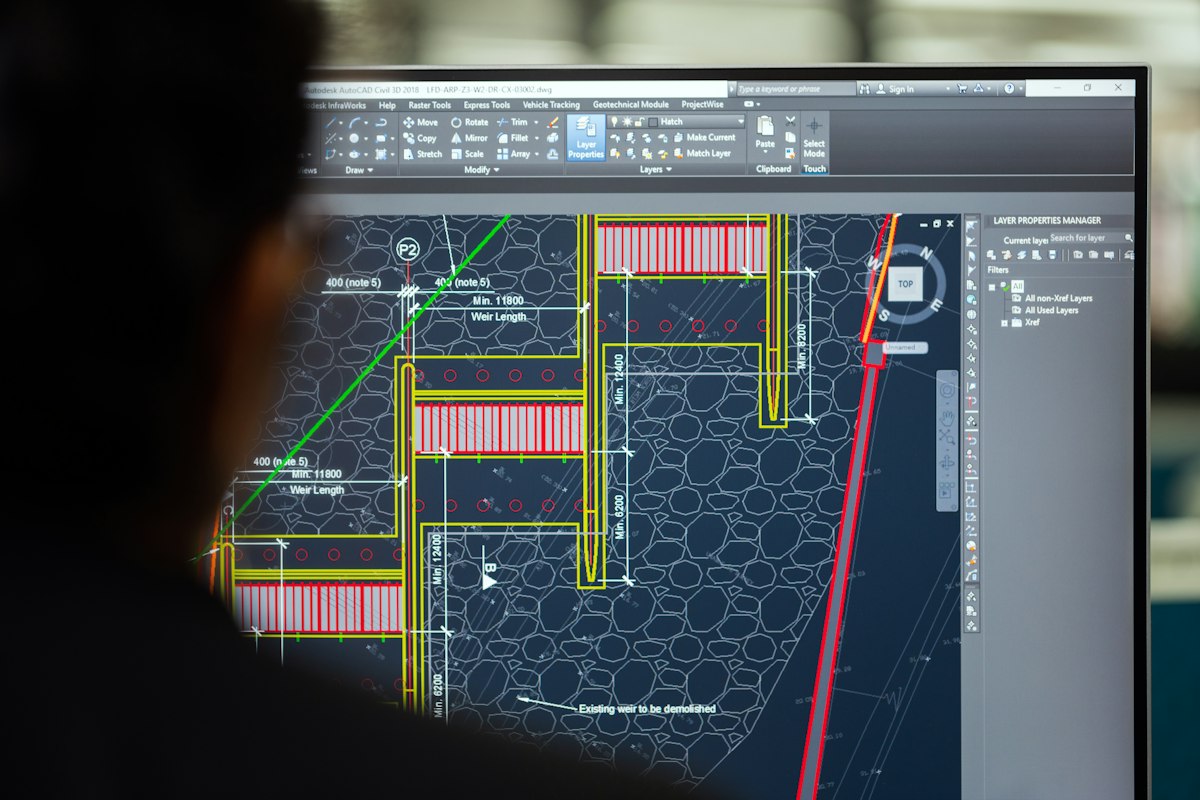
Engineers review circuit board layouts at the Zerobionic workshop.
© Hustle Yangu

A close-up of the custom PCB developed for the first product line.
© Hustle Yangu
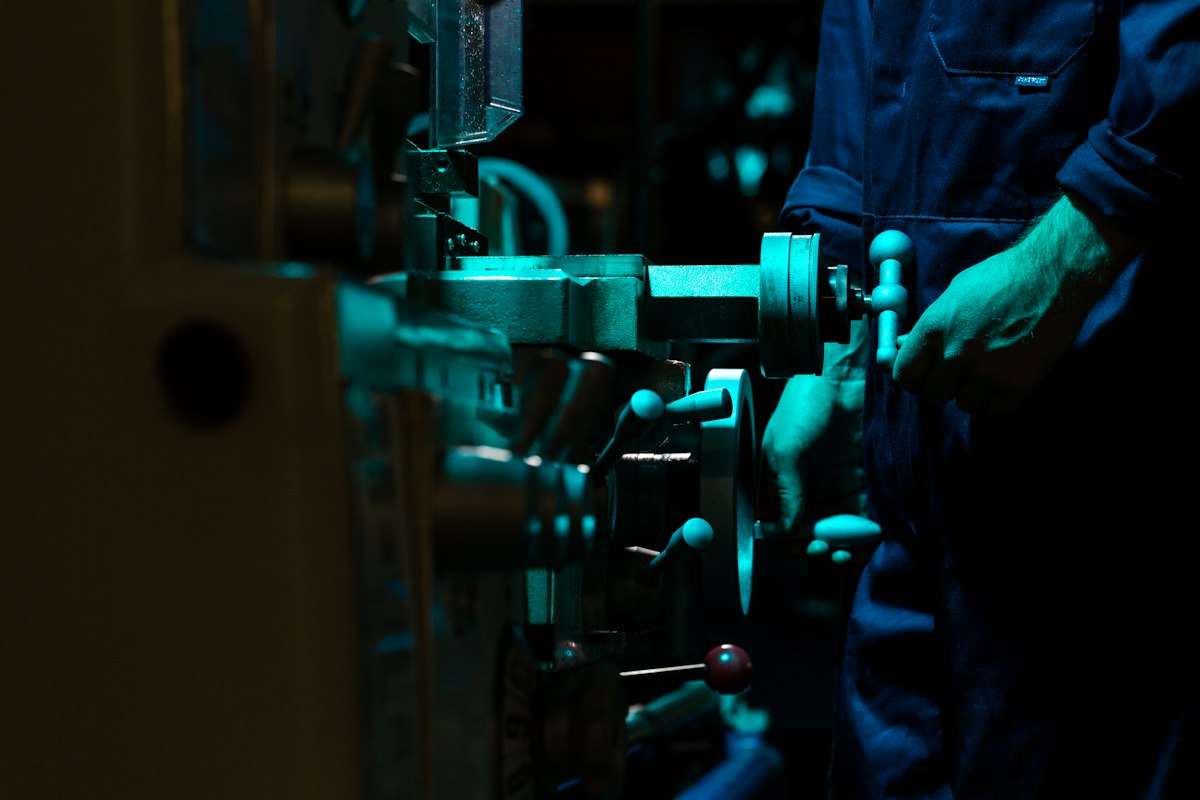
The Zerobionic lab — part workshop, part design studio.
© Hustle Yangu

The team during a sprint planning session, mapping product dependencies.
© Hustle Yangu
 City Spotlight
Addis Ababa Is Not What You Think
The world has a fixed image of Addis Ababa. We went to find out how far from that image the city has moved — and came back with something far more interesting than we expected.
 Hardware
Quepay: The Kenyan Startup Building Hardware, Not Apps
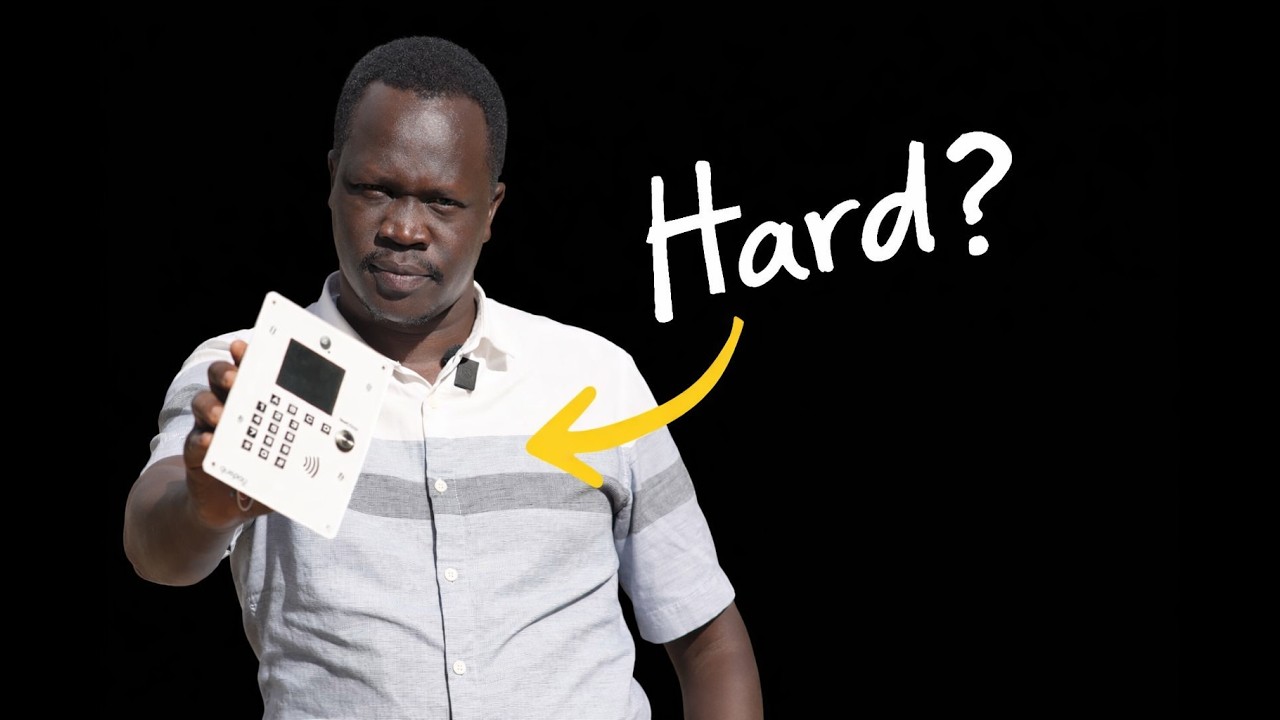
Quepay doesn't fit the Nairobi startup template. No app. No subscription model. Just engineers with soldering irons, building payment infrastructure for the physical world from the ground up.
 Consumer Goods
Brewing Up a Dream: My Journey to Launch Beer in Africa
The African beer market is worth billions and controlled by a handful of multinationals. One founder decided to challenge them anyway — armed with a recipe, a dream, and no manual for what comes next.